
Summer Weddings Across the West Coast & Southwest: Why Couples Book With a Destination Wedding Photographer
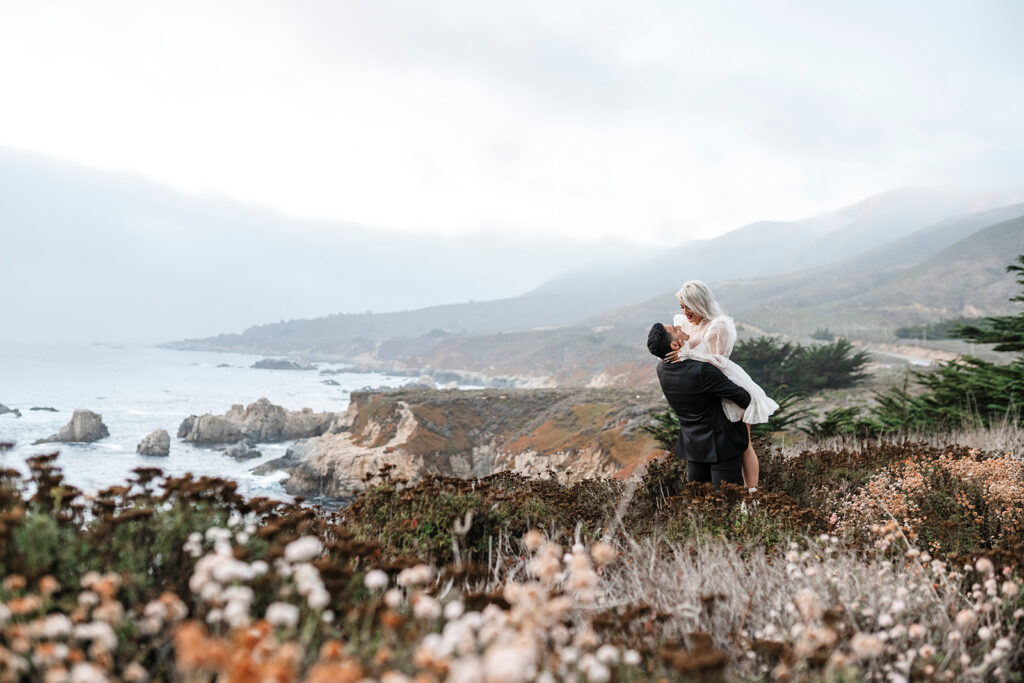
If you’re planning a summer wedding outside Las Vegas, hiring a West Coast destination wedding photographer can make all the difference. From the California coastline to the red rocks of Sedona and the mountain towns of Utah, summer out West offers some of the most cinematic wedding backdrops in the country.
I’ll be honest. This time of year gets me excited. Summer out West is just different. The days are long, the light is insane, and there’s something about the energy of a summer wedding in wide open spaces that I don’t think you can replicate anywhere else.
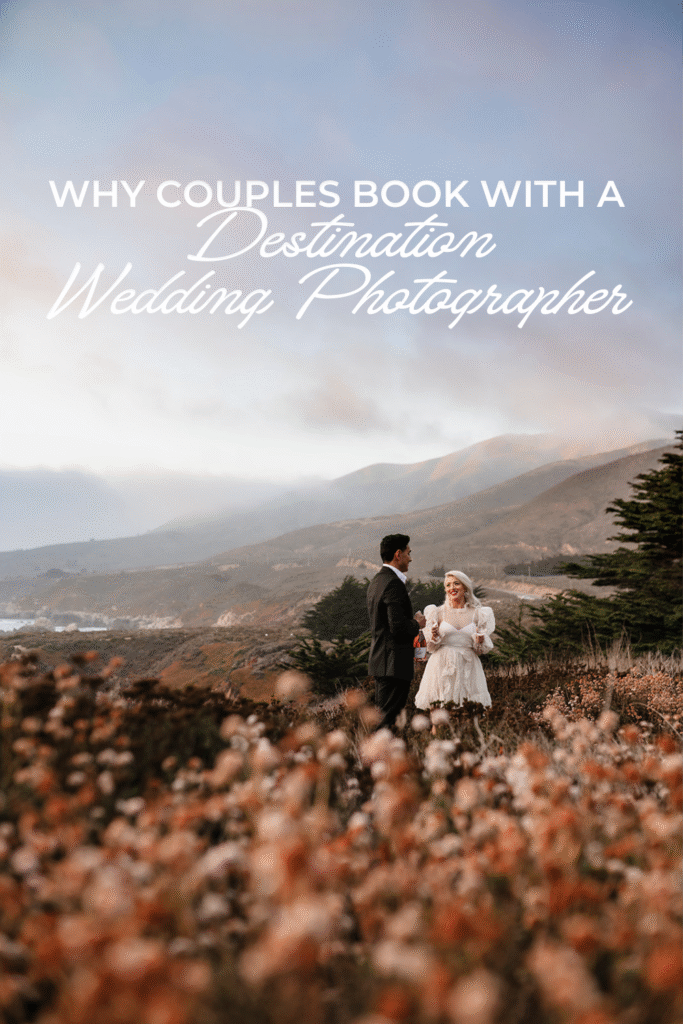
As a destination wedding photographer, this summer I’m heading further West and I genuinely cannot wait. If you’ve never been to the California coast in the summer, it’s one of those things that’s hard to put into words. The way the light hits the water in the late afternoon, the cool breeze that comes in off the ocean, the way everything feels a little golden and a little cinematic, it’s a dream backdrop for a wedding. Malibu, Big Sur, Santa Barbara, the California coast in summer is unlike anywhere else in the world.
And that’s just one piece of what the West has to offer. From the California coast to the red rocks of Sedona to the mountain towns of Utah, this part of the country has some of the most stunning wedding settings I’ve ever had the privilege of photographing. Summer is peak season for all of it.
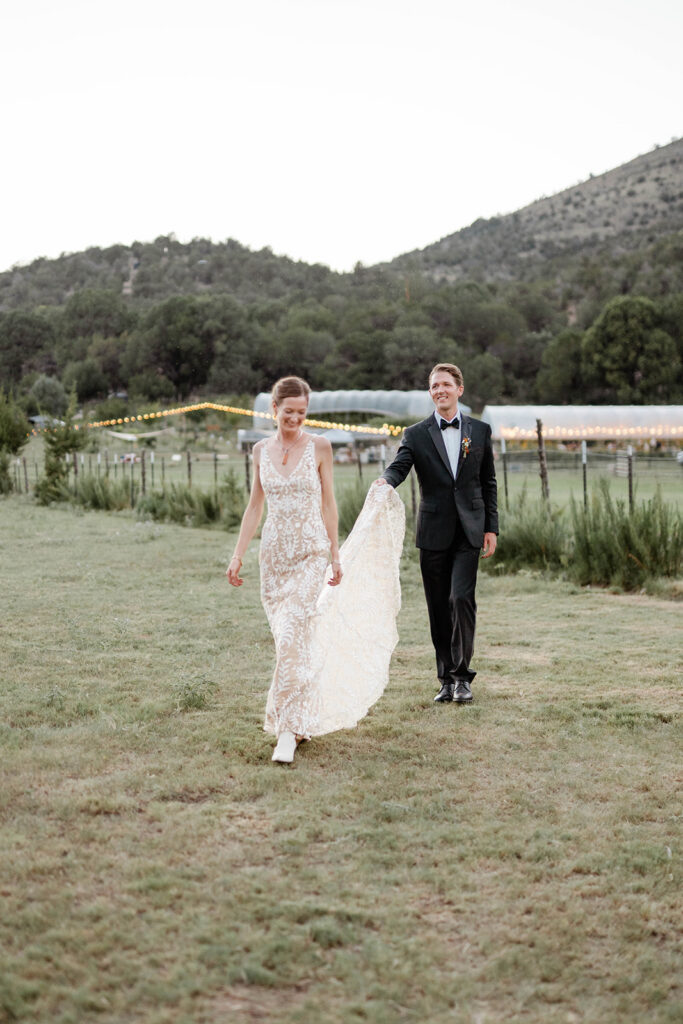
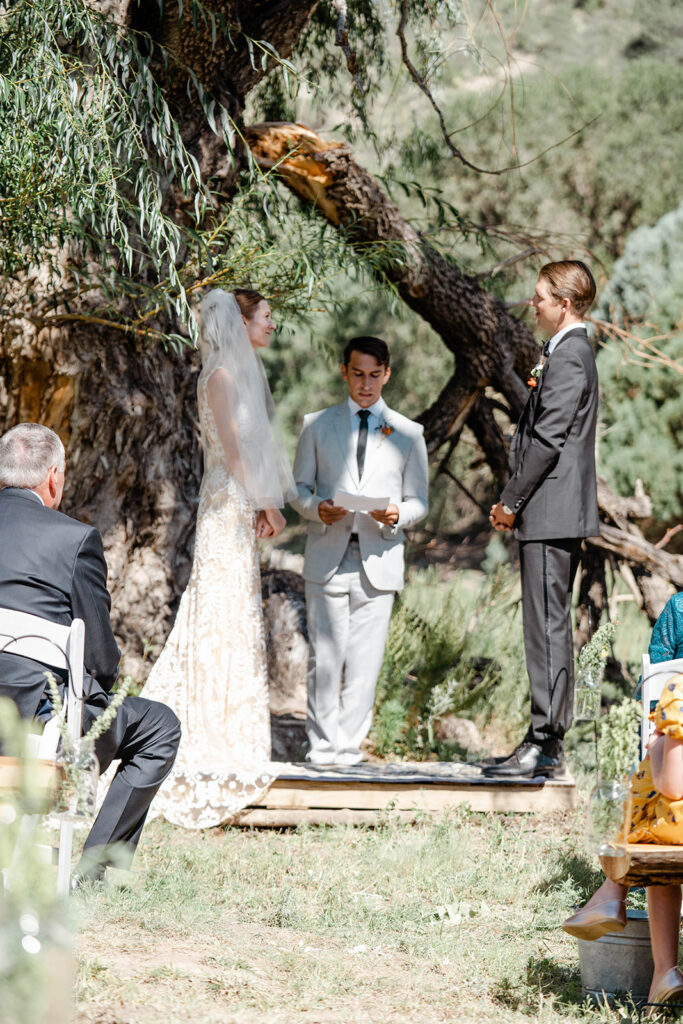
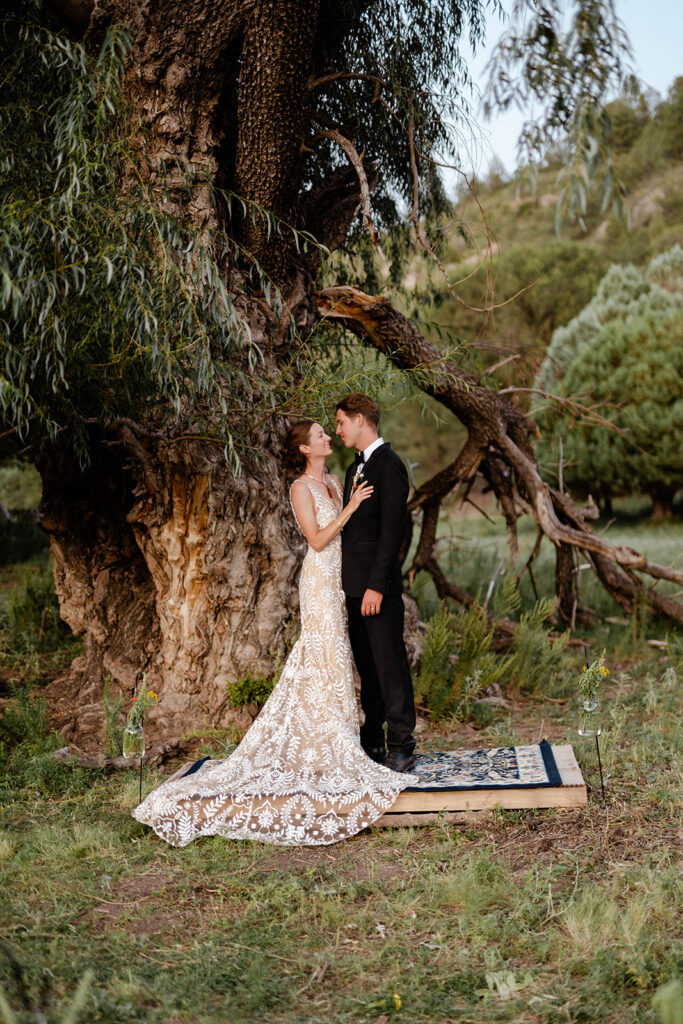
Why Hire a West Coast Destination Wedding Photographer for Your Summer Wedding
As a destination wedding photographer based in Las Vegas, I’m already positioned in one of the best launch points in the country. Within a few hours, you have access to jaw-dropping landscapes that span every aesthetic imaginable, red rock formations in Sedona, pine-covered mountain towns in Flagstaff, the rolling vineyards of Napa and Temecula, lush national parks, and the coastal cliffs of Malibu and Big Sur that look like they were built specifically to make wedding photos unforgettable.
Couples who choose outdoor venues for summer West Coast weddings get something that no indoor space can replicate: natural light that lasts well into the evening, open air that feels alive, and a backdrop that tells a story all on its own. When golden hour hits somewhere like Zion, the Sonoran Desert, or the Pacific Coast Highway, your photos don’t just document a wedding, they become something you’d frame and hang on your wall forever.
Summer days out West are long. That’s one of the biggest advantages couples overlook when planning a destination wedding. More light means more time for portraits, more flexibility in the schedule, and less pressure to rush. A 7pm golden hour means your reception can be in full swing while the sky is still doing something magical outside.
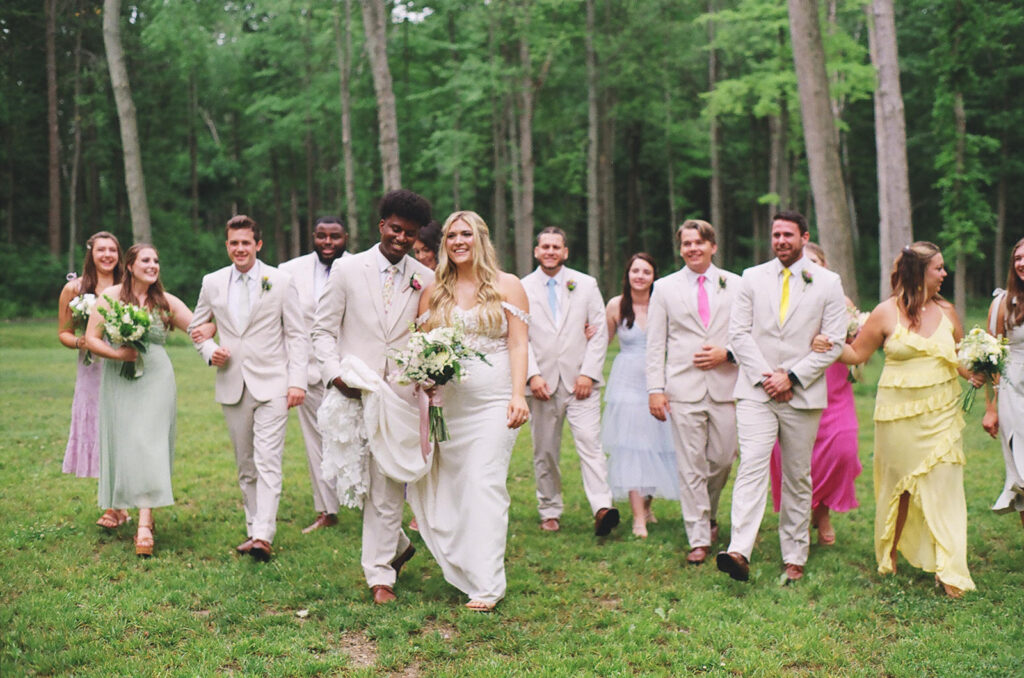
Why Couples Fly Their Destination Wedding Photographer In
Here’s something that comes up a lot in conversations with couples planning West Coast weddings: “We found our dream venue in Ojai / Napa / Sedona / Malibu — but we’re not sure about the local photographers.”
This is more common than you might think, and it makes complete sense. You’ve put months into finding the right venue, the right dress, the right flowers. Your photographer is going to be by your side all day and produce the images you’ll look at for the rest of your lives. It’s not a place to compromise just because someone is geographically convenient.
Couples hire a destination wedding photographer for the same reason they hire a specific caterer or a specific band because the right fit matters more than proximity. When you’re getting married somewhere spectacular, you want someone who knows how to photograph that kind of light, that kind of landscape, that kind of day.
I approach every destination wedding as a full creative collaboration. I scout the location, learn the light, and show up ready to capture not just the moments but the feeling of the whole day. Also, when booking a full day wedding package with True Colors, travel fees are waived.
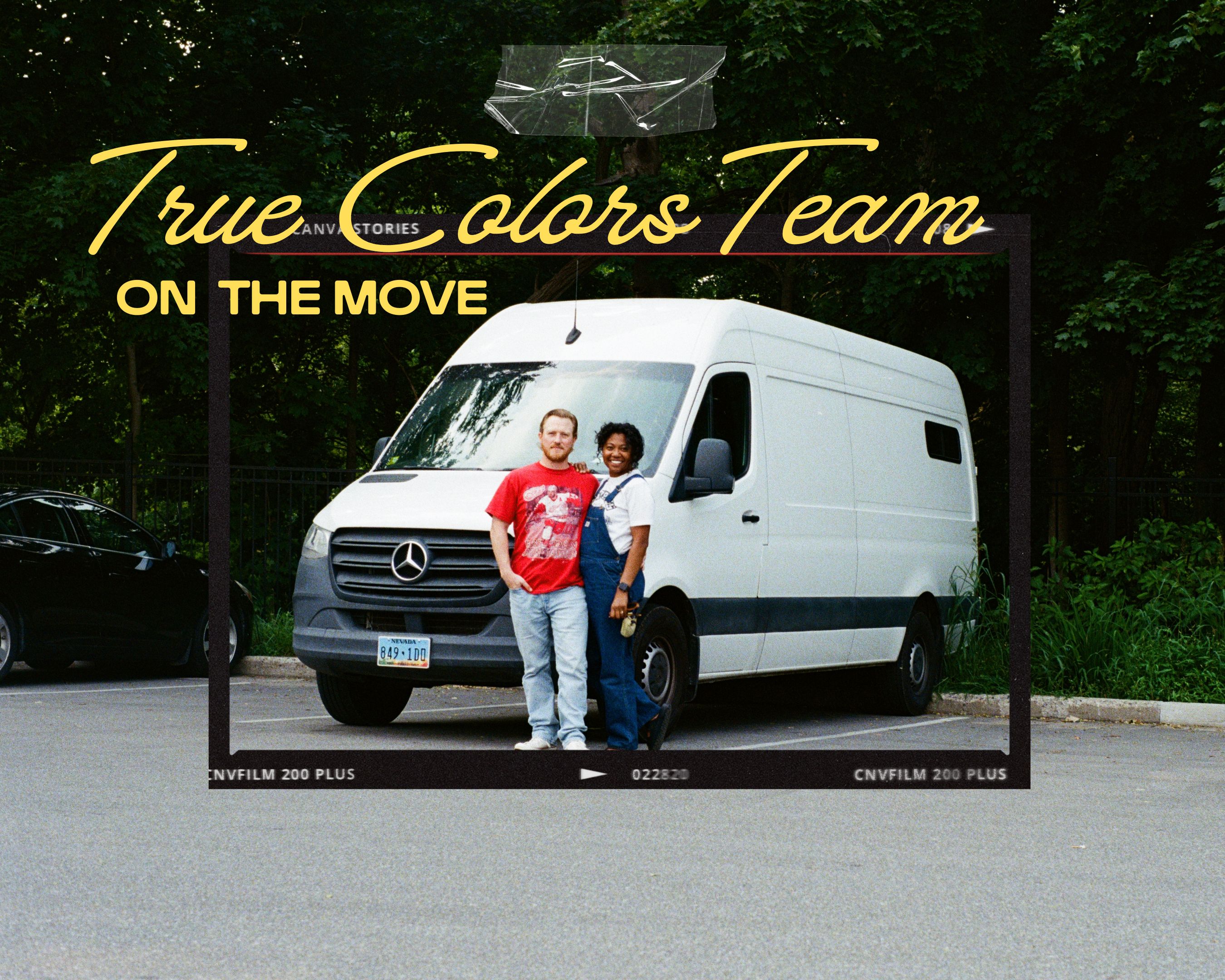
What We Actually Do as Destination Wedding Photographers
Here’s something I think couples don’t always realize: our job as destination wedding photographers doesn’t start on the wedding day. It starts weeks before you even walk down the aisle.
When we book a destination wedding, one of the first things we do is reach out to every vendor on the team — the planner, the florist, the caterer, the DJ or band, the officiant. Before we ever set foot at the venue, we want to know the timeline inside and out, understand everyone’s role, and make sure we’re all working toward the same vision. A wedding day runs smoothly when the vendors communicate beforehand, and that coordination starts with us.
We also arrive early. Not just a little early, we mean really early. Part of that is professional: we scout the ceremony and reception spaces, identify the best angles, and figure out where the light is going to fall at different points in the day. We use apps to track the sun’s position so we know exactly when and where golden hour is going to hit, and we plan the portrait timeline around it. No guessing, no scrambling — just showing up prepared.
But arriving early at a destination also means we get to actually experience the place. We explore the area, find the hidden corners and scenic spots that aren’t on any venue map, grab a coffee at the local spot, and get a feel for the energy of wherever we are. That exploration almost always pays off — some of the best portrait locations we’ve ever used were found on a casual walk the morning before a wedding.
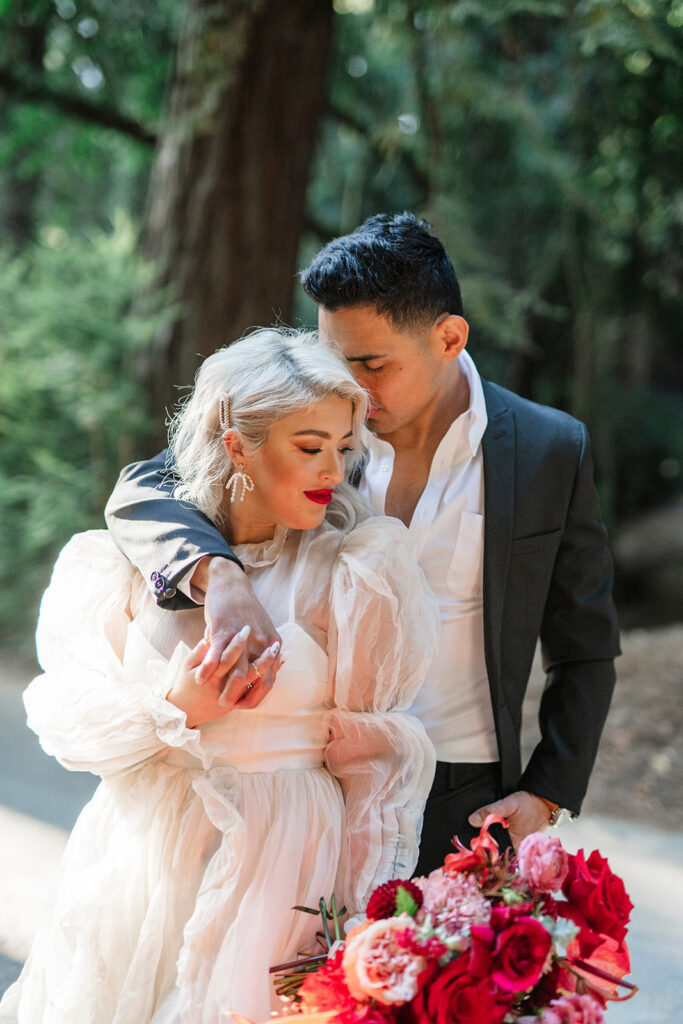
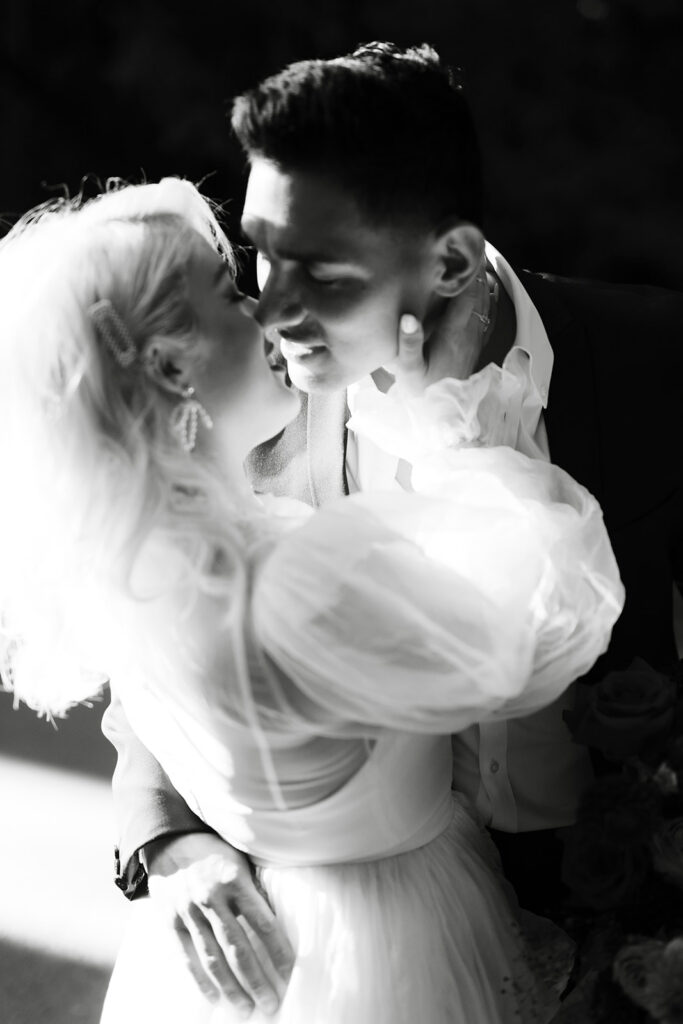
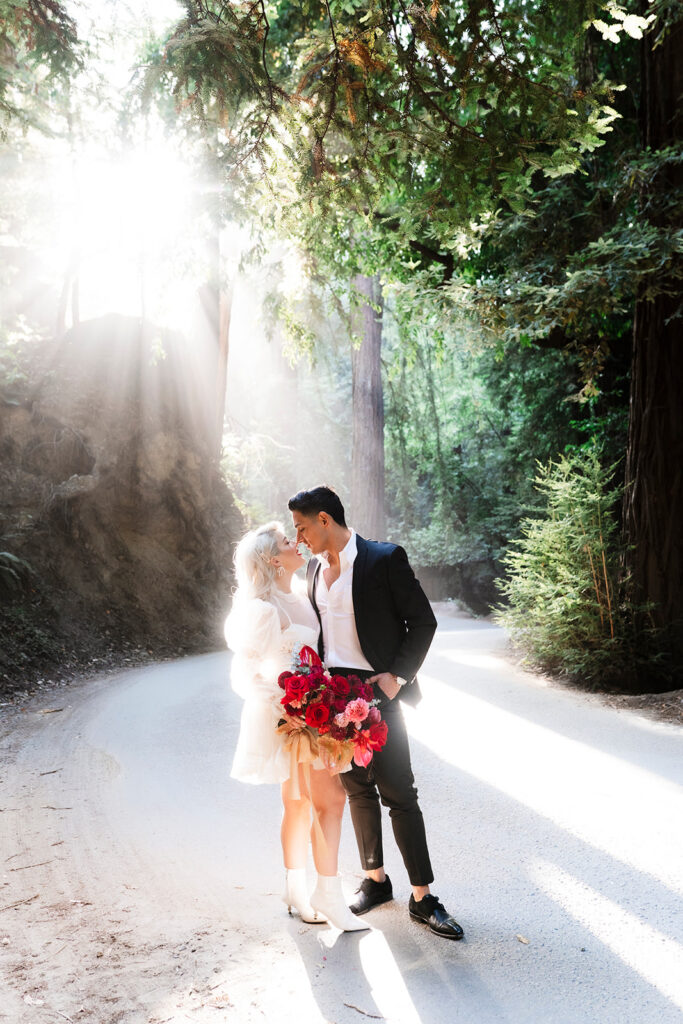
By the time the day actually starts, we’re not figuring things out — we’re executing. We know the light, we know the layout, we know the team, and we know the timeline. That level of preparation is what allows us to be fully present for every moment instead of running around trying to catch up. It’s also what lets us slow down and actually be creative rather than just reactive.
That’s the difference between hiring a local photographer who shows up day-of and hiring a destination wedding photographer who treats your wedding like the production it deserves to be. The work that happens before the wedding day is what makes the wedding day feel effortless.
Getting to the West Coast Is Easier Than You Think
One of the biggest hesitations I hear from couples considering a West Coast destination wedding is logistics. How do guests get there? Is it too complicated?
Here’s the thing: Las Vegas, Los Angeles, Phoenix, and San Francisco are all major hubs with direct flights from most cities in the country. A lot of the most beautiful destination wedding venues in the region — Sedona, Ojai, Temecula, Flagstaff, Big Sur — are within two to four hours of at least one of those airports.
As a destination wedding photographer who travels this region regularly, I’ve built real familiarity with these areas. I know the light in certain locations at certain times of year. I know which spots along the Pacific Coast Highway are worth a short detour for portraits. I know how the desert changes in the late afternoon. That kind of local knowledge is something I bring to every wedding I travel for.
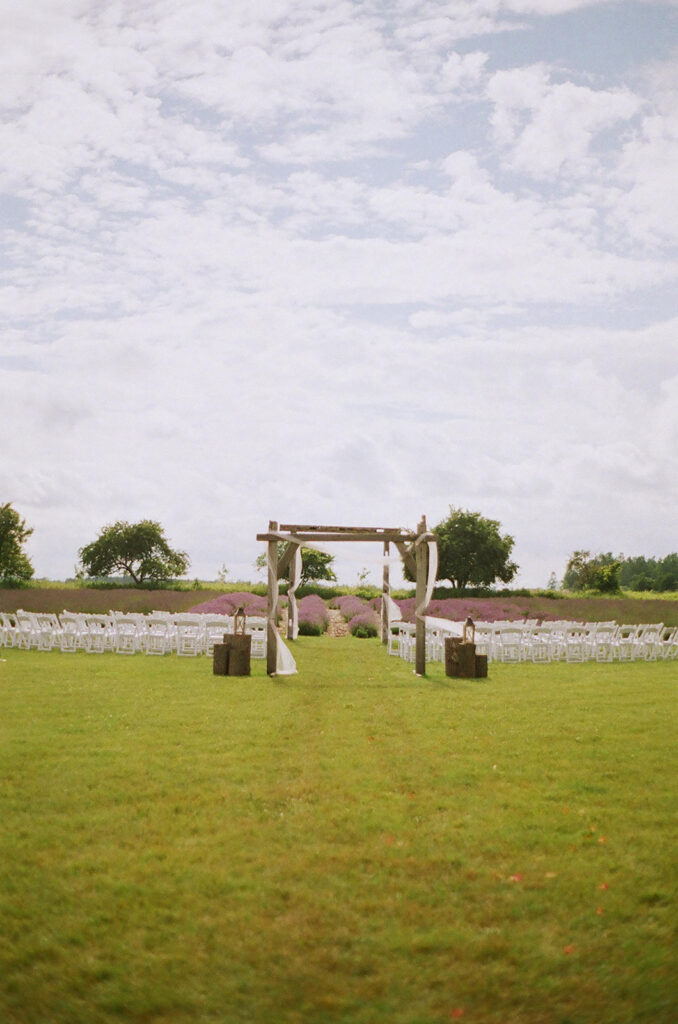
Now Booking Summer Destination Weddings Across the West Coast and Southwest
Summer is my favorite time to travel for weddings. The days are long, the light is incredible, and there is nothing quite like watching a couple celebrate surrounded by landscape that takes your breath away. Whether it’s a hilltop vineyard in Temecula, a red rock ceremony in Sedona, a coastal clifftop in Malibu, a beachfront celebration in Santa Barbara, or a pine-forest wedding in Flagstaff, these are the kinds of West Coast destination weddings I live to photograph.
I’m a Las Vegas-based destination wedding photographer now booking summer weddings across California, Arizona, Utah, and the broader Southwest. If you’ve got a venue in mind or you’re still dreaming, I’d love to hear about it. Reach out and let’s make something worth traveling for.
Email: jazzmin@truecolorscreative.com | Phone: (805) 990 – 6971 | IG: @TrueColorsCreative
Tik Tok: @TrueColorsCreative







JOIN THE PARTY!
Subscribe to the True Colors Creative newsletter to learn more about exclusives, updates and more!

Subscribe