
Weddings vs Elopements: A Complete Guide to Choosing What Fits
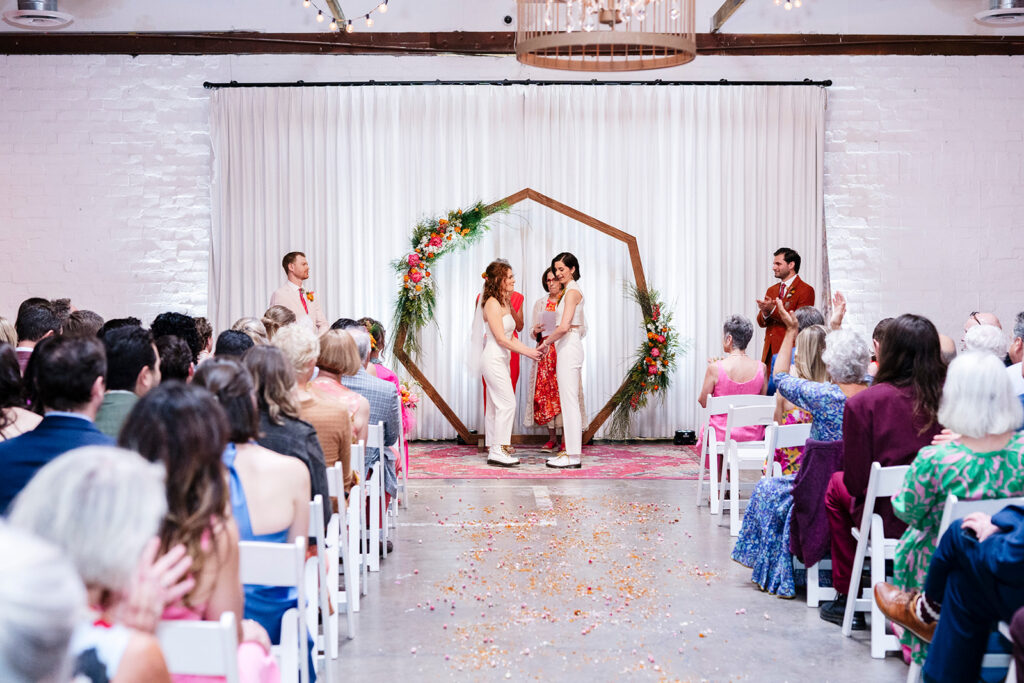

When couples begin comparing weddings vs elopements, the question is rarely superficial.
It usually begins after planning has started.
The guest list grows.
The budget expands.
Expectations multiply.
And somewhere in the process, a quieter question emerges:
Is this the experience we actually want?
This guide is designed to give you real clarity — not just inspiration — so you can confidently choose the format that fits your priorities, your relationship, and your vision.
1. The Core Difference: Structure vs Intimacy
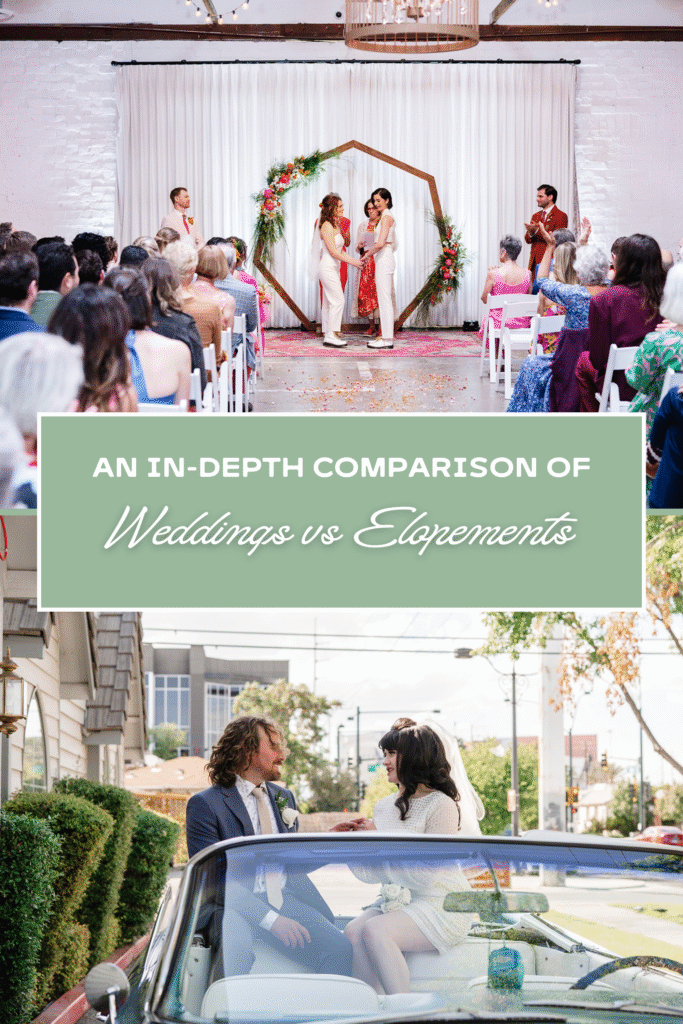
At its most practical level, the difference between weddings and elopements comes down to structure.
A wedding is typically:
- 75–250+ guests
- Ceremony + reception format
- 8–12 hour timeline
- Full vendor team
- Hosted event experience
An elopement is typically:
- 0–15 guests
- Flexible timeline (2–8 hours)
- Location-first design
- Smaller vendor team
- Experience-first focus
But emotionally, the difference is this:
Weddings distribute energy outward.
Elopements concentrate energy inward.
2. Guest Count: How Many People Is the Right Amount?
This is often the deciding factor.
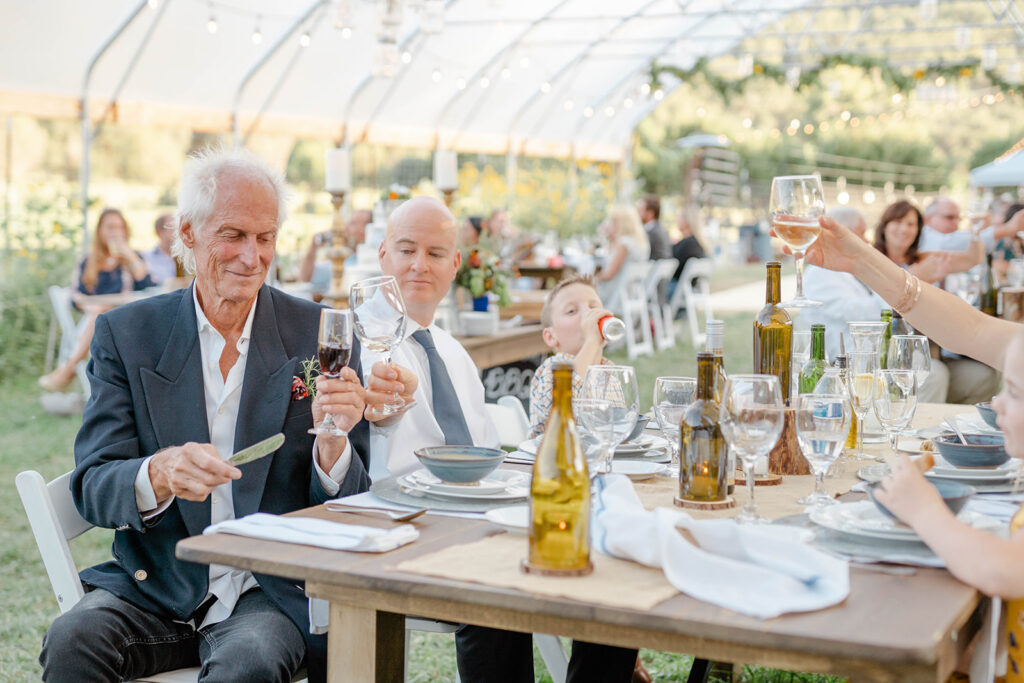
Traditional Wedding
- 75+ guests
- Includes extended family, friends, colleagues
- Requires venue capacity planning
- Seating charts, catering minimums, rentals
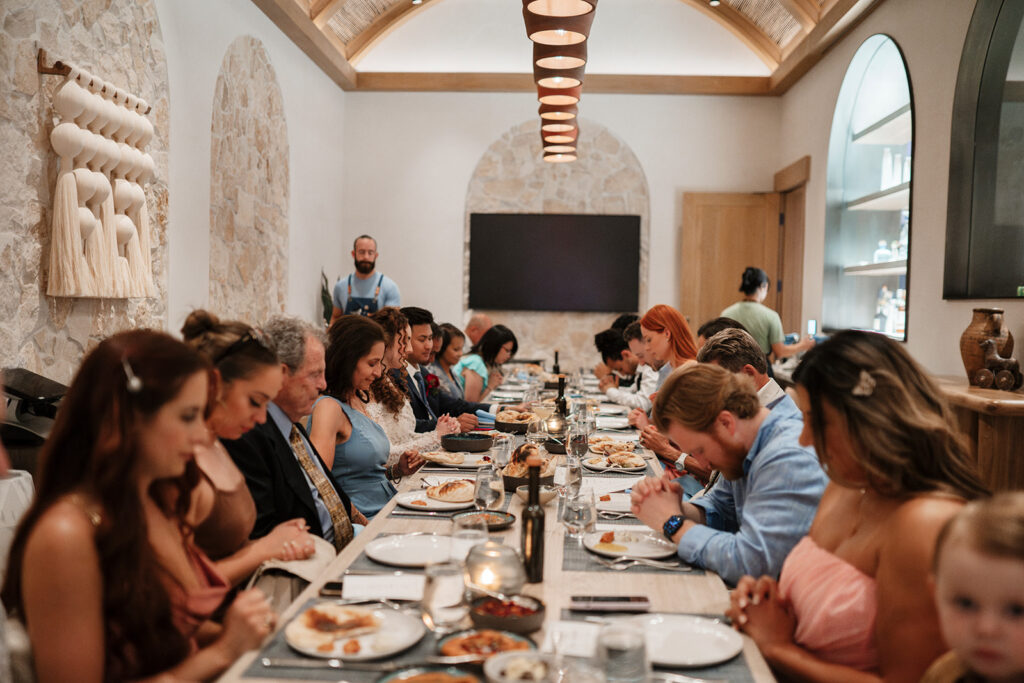
Micro-Wedding
- 26 – 74 guests
- Intimate but structured
- Often includes reception and full design elements
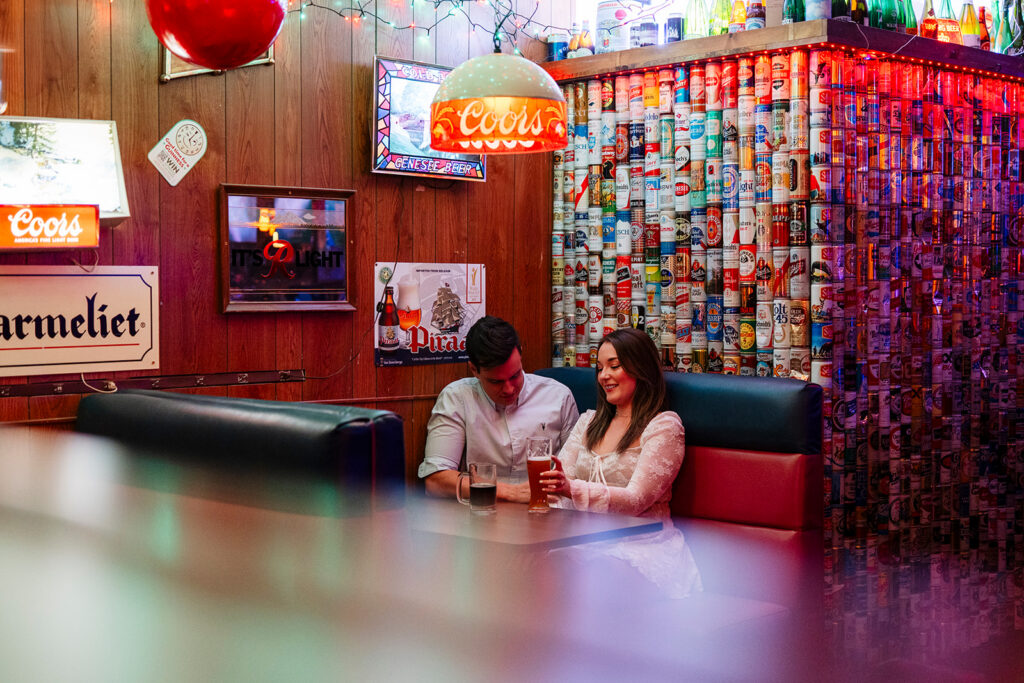
Elopement
- Just the couple, or up to ~25 guests
- No seating charts
- Often no formal reception
- Minimal hosting responsibilities
Important distinction:
An elopement is not defined by secrecy.
It’s defined by intimacy.
3. Budget Realities: What Couples Are Actually Comparing
One of the most Googled questions around weddings vs elopements is cost.
While every market differs, here’s a practical comparison framework:
Traditional Wedding Investment
Typically includes:
- Venue rental
- Catering (often per-person minimums)
- Bar service
- Rentals (tables, chairs, linens)
- Floral design
- Planner or coordinator
- DJ or live band
- Photography and/or videography
- Transportation
- Stationery


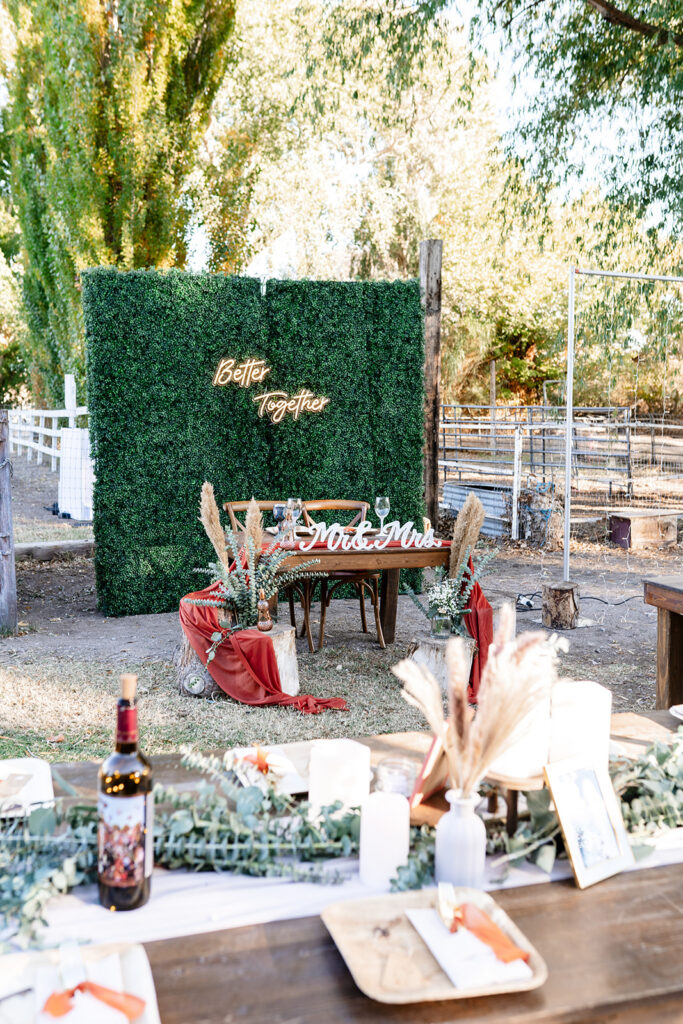
National averages for full weddings often range significantly depending on city and scale, but larger guest counts increase cost proportionally.
Elopement Investment
Typically includes:
- Officiant
- Permit or small venue fee (if required)
- Bouquet and boutonniere
- Photography (often 2–6 hours)
- Possibly hair and makeup
- Travel (if destination-based)
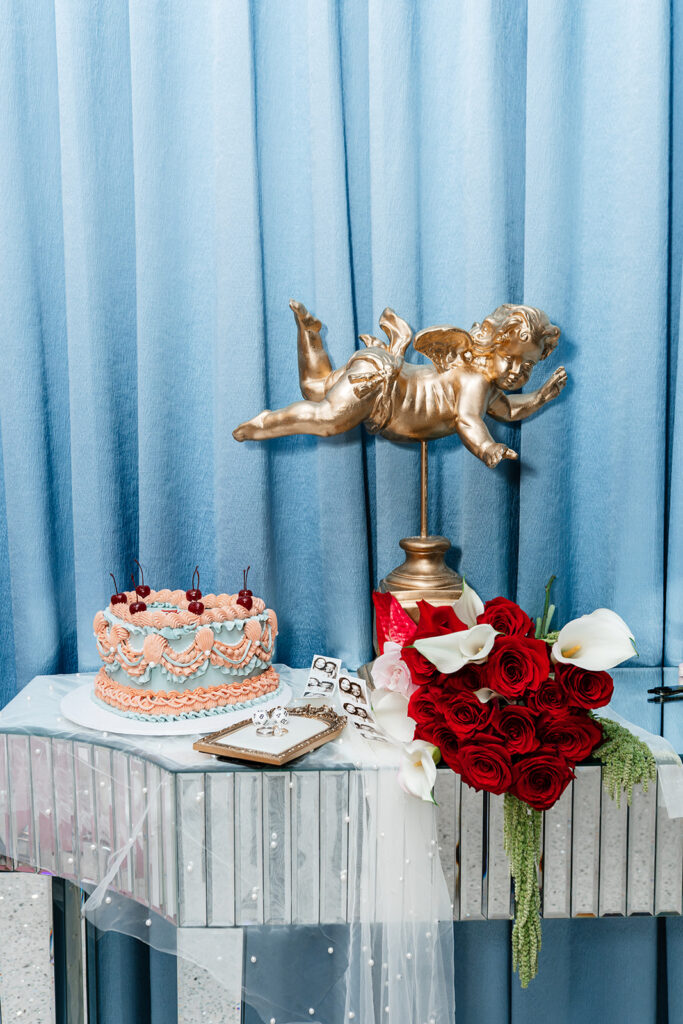
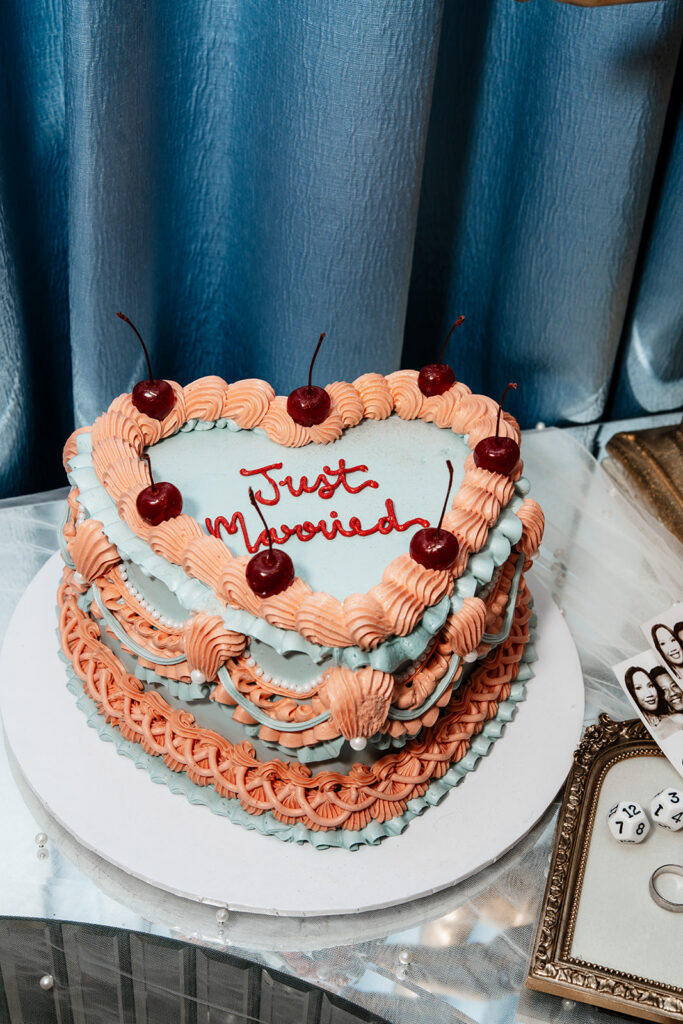
Elopements are often less expensive overall — but destination travel, luxury accommodations, and private experiences can elevate the investment quickly.
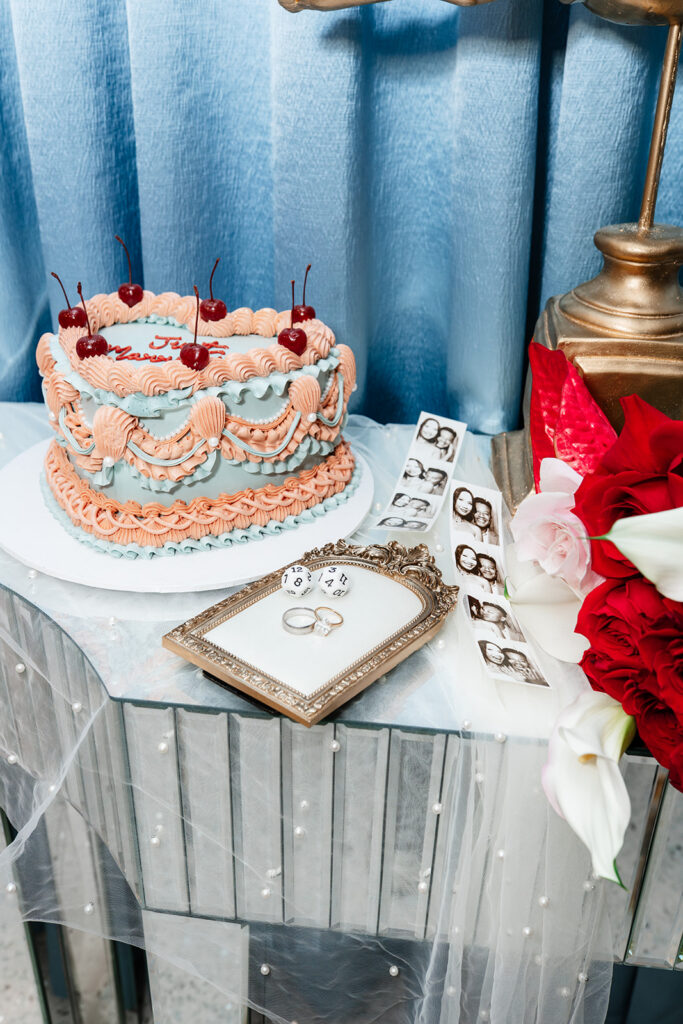
Cost should not be the only deciding factor.
But understanding structural differences helps prevent surprises.
4. Planning Complexity & Timeline
This is where couples often underestimate the difference.
Traditional Wedding Planning
- 9–18 month timeline common
- Vendor coordination across multiple categories
- Guest communication management
- Contracts, deposits, scheduling
- Family involvement
A wedding is a logistical production.
Elopement Planning
- 1–6 month timeline common
- Fewer vendors
- Flexible schedule
- Less guest communication
An elopement is an experiential design.
Neither is easier — but one requires significantly more coordination.
5. Destination Weddings vs Destination Elopements
When travel becomes part of the equation, clarity becomes even more important.
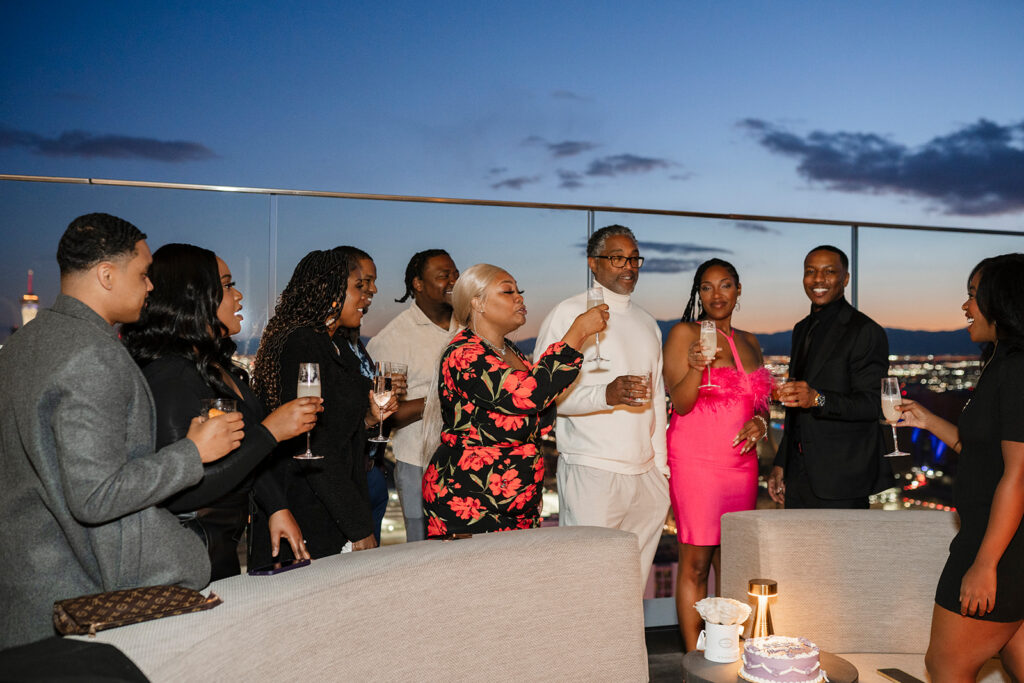
As a destination wedding photographer, I often see couples designing multi-day celebrations with welcome dinners, rehearsal events, and full guest experiences. These require:
- Guest travel coordination
- Hotel room blocks
- Welcome events
- Venue availability in high-demand markets
- Advanced booking timelines
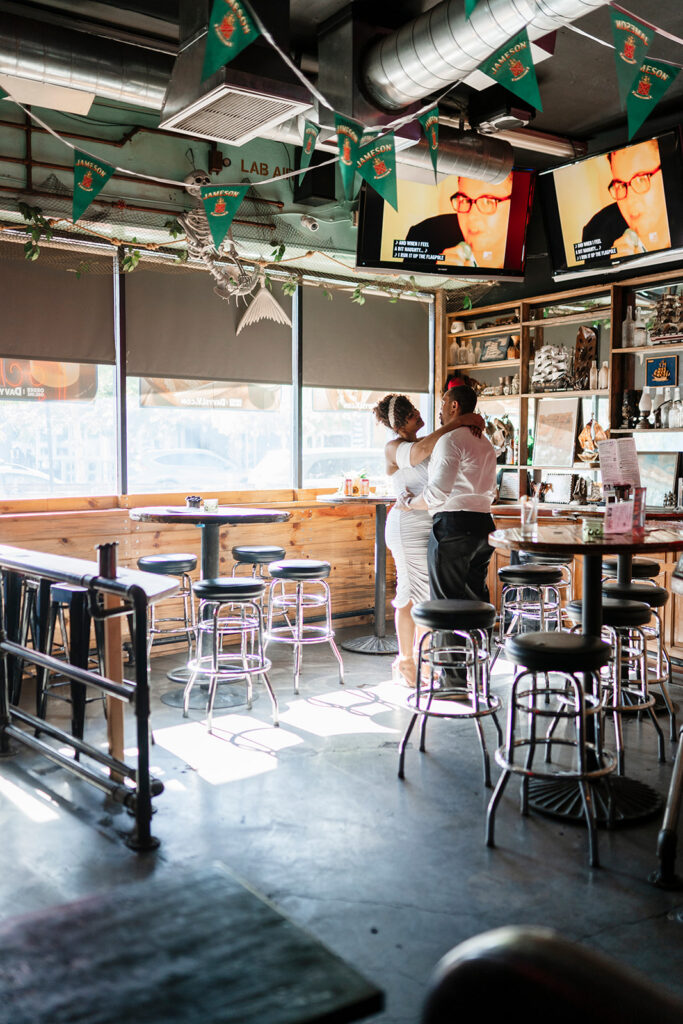
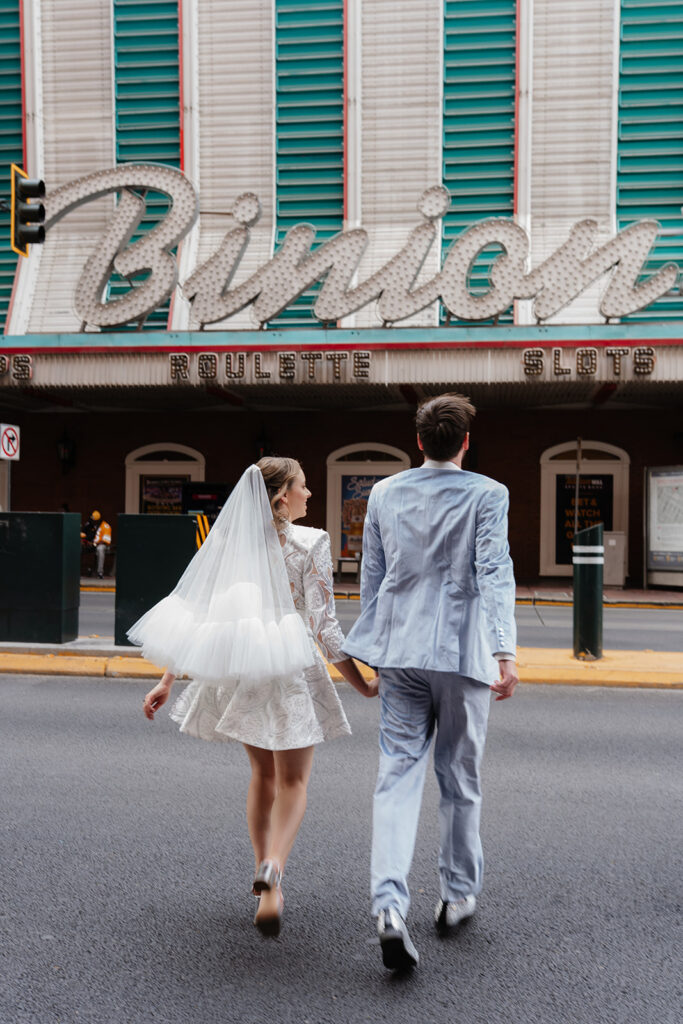
As a destination elopement photographer, the focus shifts:
- Scenic location permits
- Sunrise or sunset ceremony timing
- Minimal vendor footprint
- Flexible timeline
- Location intimacy
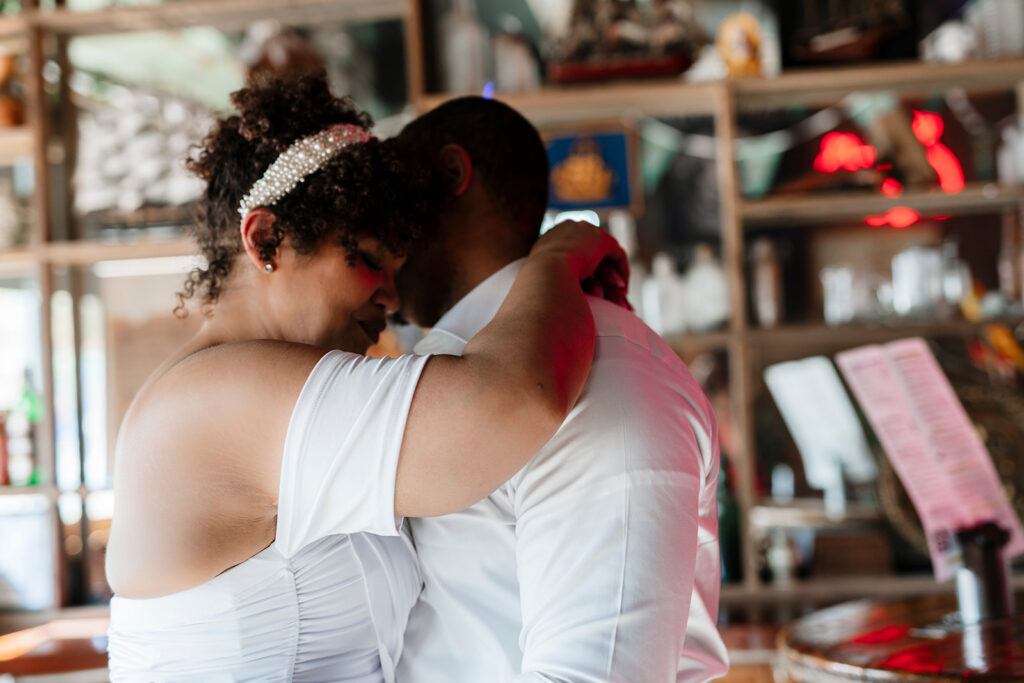
A destination wedding is about gathering people somewhere meaningful.
A destination elopement is about choosing a place that feels sacred to you.
Both are intentional — they simply serve different purposes.
6. Emotional Considerations Couples Overlook
This is where many pivots happen.
Couples planning weddings often experience:
- Guest list tension
- Family expectations
- Decision fatigue
- Hosting pressure
Couples planning elopements often face:
- Family disappointment
- Fear of regret about excluding loved ones
- Questions about legitimacy or tradition
Neither path eliminates emotional complexity.
The key question becomes:
Where do you want your emotional energy invested — in community experience or personal immersion?
7. The Hybrid Option: A Growing Middle Ground
Many couples now blend formats.
Examples:
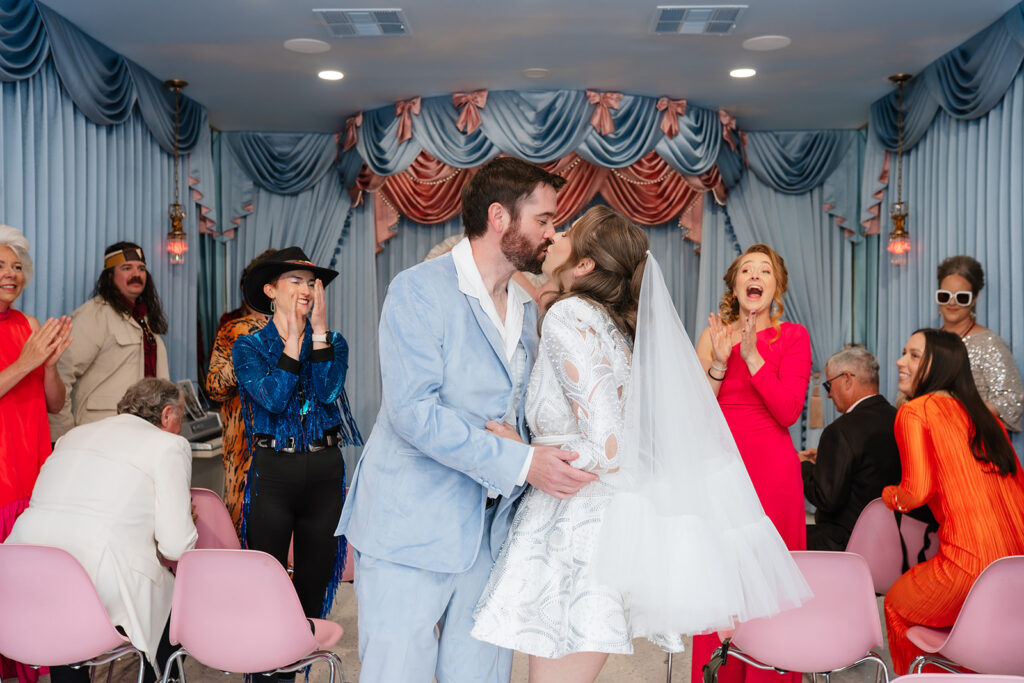
- Private elopement ceremony + reception later
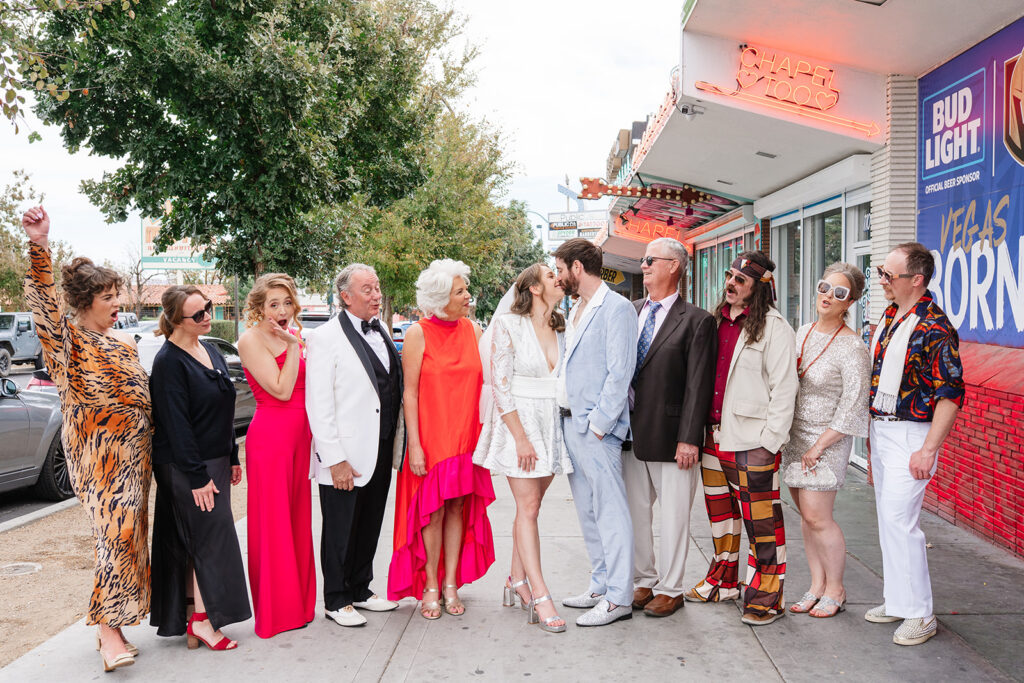
- Destination ceremony with 15 guests + hometown celebration
- Micro-wedding with elevated dinner party
- Weekday intimate ceremony + weekend celebration
This allows couples to:
- Protect intimacy
- Honor family
- Reduce large-scale production stress
- Still create a celebratory atmosphere
Luxury today is about intentional design — not size.


8. How to Decide: A Practical Framework
Instead of asking “Which is better?” ask:
- Do we feel energized or overwhelmed imagining a large guest list?
- Are we excited about hosting?
- Does travel feel freeing or complicated?
- Is privacy important to us?
- Do we value tradition, or are we comfortable redefining it?
- Where will we feel most present?
If your answers lean toward:
Community + tradition → Wedding
Privacy + immersion → Elopement
Both → Hybrid
9. Final Thought: This Is About Alignment
The most meaningful celebrations I document — whether expansive weddings or intimate elopements — share one quality:
The couple feels fully aligned with their choice.
Weddings vs elopements is not a hierarchy.
It’s a design decision.
And when you choose intentionally, the format becomes secondary.
What lasts is the experience.
If You’re Still Deciding
Choosing between weddings vs elopements is not about following a trend. It’s about understanding what kind of experience will feel most aligned for you.
If you’re in the middle of planning and feeling uncertain, that’s normal. Many couples don’t need more inspiration — they need perspective.
Whether you’re envisioning a full celebration with guests across the globe, planning an intimate ceremony close to home, or considering something destination-based, the first step is clarity.
As both a destination wedding photographer and destination elopement photographer, I’ve guided couples through every format — from expansive, multi-day celebrations to quiet, location-first ceremonies.
If you’d like help thinking through what fits your relationship, I’m always happy to start the conversation.
Because the most beautiful celebrations aren’t defined by size.
They’re defined by intention.






JOIN THE PARTY!
Subscribe to the True Colors Creative newsletter to learn more about exclusives, updates and more!

Subscribe